What Is the Anion Gap in Acidic Metabolic Conditions?
What’s the anion gap?
The anion gap is a lab-based calculation that helps doctors assess acid-base balance and determine causes of metabolic acidosis. It compares the main measured electrolytes in blood, especially serum sodium and serum chloride, with serum bicarbonate to detect an anion difference that suggests the presence of unmeasured anions.
In simple terms, the anion gap is a clue. A normal value indicates one pattern of metabolic derangement, while a high value points toward another. This makes it useful in the diagnostic workup of people with acidic blood or an abnormal blood gas.
The concept exists because blood contains many charged particles, but routine lab panels do not measure every one of them. Sodium is the main measured positive ion, while chloride and bicarbonate are the main measured negative ions. The gap reflects the difference between these measured values and the effect of other ions, proteins, and acids not directly reported on standard labs.
How to calculate the anion gap
An anion gap calculator makes this process fast, but the basic formula is simple to follow. The most common method is:
Anion gap = serum sodium - (serum chloride + serum bicarbonate)
Some clinicians also include potassium in the calculation, though many modern labs omit it because potassium is usually present in much smaller amounts than sodium. When potassium is included, the formula becomes:
Anion gap = sodium + potassium - (chloride + bicarbonate)
These values usually are taken from a serum chemistry or serum chemistry panel, so a calculator can be applied immediately to routine lab values. For example, if sodium is 140, chloride is 102, and bicarbonate is 22, the anion gap is 16.
The calculator is especially helpful when you want prompt clinical interpretation at the bedside or during chart review. It minimizes arithmetic errors and helps provide a more accurate reading of the patient’s acid-base picture.
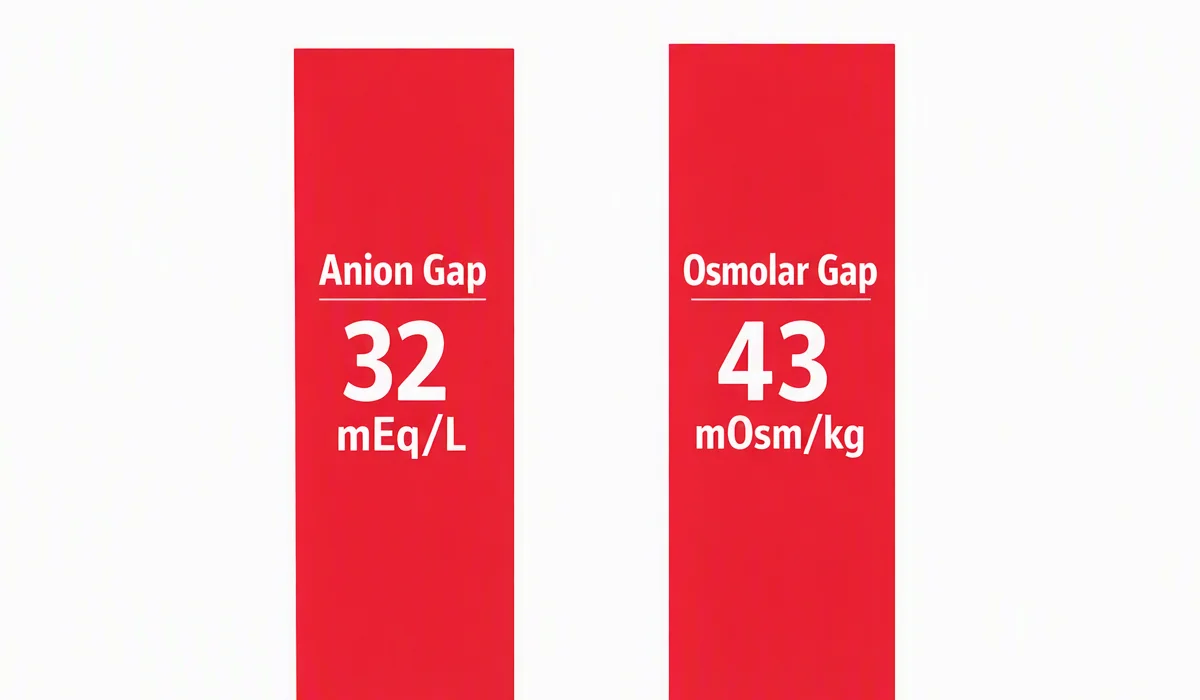
Why it matters: low bicarbonate can occur in several conditions, but the anion gap helps differentiate acidosis caused by added acids from acidosis caused by direct bicarbonate loss. That distinction alters the differential diagnosis and next steps.
Why exactly the anion gap matters in metabolic acidosis
This acid-base disorder is an imbalance in acid and base levels where the body has excess acid or too little base. The anion gap helps determine whether the low bicarbonate is due to acid buildup or bicarbonate loss. It is one of the most useful tools for interpreting an abnormal blood pH and understanding the physiologic process.
In anion gap elevation, extra acids such as lactic acid or ketones add acid species to the blood. These acids use up bicarbonate as they accumulate, leaving behind unmeasured anions that increase the delta gap calculation app gap. In other words, the gap widens because acid is being held in the body.
In other cases, bicarbonate is lost directly, and the body responds with a compensatory chloride increase that keeps the gap normal but raises chloride. That pattern is often seen with digestive losses or renal tubular problems. Understanding this difference helps guide the clinical interpretation of a blood gas and chemistry panel.
The anion gap also fits into the body’s compensation process. When acid builds up, the lungs may reduce carbon dioxide through faster breathing, and the kidneys may attempt renal compensation. But if the underlying problem is severe enough, compensation may not fully normalize the pH.
Because of this, the anion gap is not just a number. It is a practical way to connect electrolyte patterns, acid retention, and the probable cause of the disorder.
Elevated anion gap acidotic state causes
A high anion gap metabolic acidosis usually means the body has accumulated acids that were not measured on the usual lab panel. These acids create more unmeasured anions, so the calculated gap rises.
Common causes include:
- Lactic acidosis from inadequate tissue oxygen delivery, shock, severe illness, or major metabolic stress
- Ketoacidosis from diabetes, starvation, or alcohol-related states, where ketones increase
- Renal failure, where the kidneys fail to remove acid efficiently and acid retention occurs
- Toxic alcohol ingestion, which can cause severe metabolic complications and unusual acid patterns
Lactic acidosis is especially significant because a increasing lactate level can signal tissue hypoperfusion or impaired oxygen use. In this setting, lactate acts as one of the major organic acids contributing to the gap.
Ketoacidosis occurs when the body burns fat rapidly and produces ketones as acid byproducts. These ketones lower bicarbonate and raise the anion gap. This pattern can be seen in diabetes, prolonged fasting, or alcohol-related illness.
Renal failure causes acid-base problems because the kidneys normally excrete acid and regenerate bicarbonate. When they cannot, acids build up and the gap may widen.
Toxic alcohol ingestion is another important cause to consider in unexplained cases. It can cause dangerous acid-base abnormalities and requires prompt evaluation.
When the gap is high, the goal is to find the source of the acid quickly. The anion gap helps focus the diagnostic workup and points toward conditions where urgent treatment may be needed.
Typical anion gap metabolic acidosis causes
Normal anion gap metabolic acidosis is often termed hyperchloremic metabolic acidosis because chloride rises as bicarbonate drops. The anion gap stays in the reference interval, but the patient still has metabolic acidosis. This pattern usually suggests direct bicarbonate loss rather than build-up of unmeasured acids.
Frequent causes include:
- Diarrhea, which leads to substantial gastrointestinal bicarbonate loss
- Renal tubular acidosis, where the kidneys cannot handle acid and bicarbonate normally
- Further causes of gastrointestinal bicarbonate loss, depending on the clinical context
In diarrhea, bicarbonate-rich intestinal fluid is removed, and the body often replaces the lost base with chloride. This creates hyperchloremia, which is why chloride is elevated even though the anion gap remains normal.
Renal tubular acidosis can produce a similar pattern because the kidneys fail to make acidic urine or conserve bicarbonate appropriately. The result is metabolic acidosis without the increased gap seen in lactic acidosis or ketoacidosis.
Recognizing this difference is important because a normal gap does not rule out clinically significant illness. It simply points in the direction of a different mechanism, often one involving direct bicarbonate loss rather than added acid.
How to interpret anion gap results
Reading the anion gap calls for more than checking a single number. First by checking the lab’s reference range, because different laboratories use somewhat different methods and ranges. Then review albumin, since low albumin can lead to the gap look falsely normal.
Albumin carries negative charge in blood and is one of the primary contributors to the anion gap. If albumin is reduced, the measured gap may underestimate the presence of unmeasured acids. In that situation, a corrected anion gap is often more informative than the raw value.
A common approach is to raise the gap upward when albumin is low. This is important because a patient with significant acid retention may otherwise be misclassified if the albumin effect is ignored. The corrected value provides better lab interpretation and a more accurate picture of the acid-base state.
Helpful interpretation steps include:
- Review sodium, chloride, and bicarbonate together
- Review albumin before concluding the gap is normal
- Examine the blood gas for pH and respiratory compensation
- Consider whether the pattern fits a high or normal gap cause
- Reassess the full clinical picture, not just one lab number
In practice, the anion gap works best as part of a more complete review of serum chemistry, blood gas data, and the patient’s symptoms. That combined approach improves the quality of clinical interpretation.
When to get urgent doctor evaluation
Some cases of metabolic acidosis are clinical crises. Get immediate evaluation if there are emergency symptoms such as shortness of breath, confusion, severe weakness, chest pain, fainting, or rapidly worsening illness. These warning signs can signal severe acidosis or a dangerous underlying cause such as lactic acidosis, ketoacidosis, renal failure, or toxic exposure.
Breathing changes are especially important because the body may try to compensate by breathing faster or deeper. If that protective response is failing, the blood pH may continue to drop. Confusion can also indicate poor perfusion, toxin exposure, or severe metabolic imbalance.
If blood tests show a markedly abnormal anion gap, low bicarbonate, or concerning blood gas findings, prompt medical review is warranted. Do not wait for symptoms to worsen, especially when the cause is unclear or the condition is progressing quickly.
FAQ about anion gap and metabolic acidosis
What is the meaning of high anion gap mean in metabolic acidosis?
A high anion gap often indicates there are extra unmeasured acids in the blood. In metabolic acidosis, this often points to lactic acidosis, ketoacidosis, renal failure, or toxic alcohol ingestion. The elevated gap indicates accumulation of organic acids and other unmeasured anions, not just a bicarbonate problem.
How is calculated the anion gap from lab values?
Use the formula sodium - (chloride + bicarbonate). Some clinicians include potassium, but many calculators do not. An anion gap calculator can make this straightforward by using routine blood tests from a serum chemistry panel and returning the result instantly.
What should be the normal anion gap range?
The normal range depends on the lab’s reference interval and whether potassium is included. In general, a typical result falls within a narrow range that reflects normal acid-base balance. Always compare the number with the specific lab’s reference range rather than relying on one universal cutoff.
Can you have metabolic acidosis with a normal anion gap?
Yes. Normal anion gap metabolic acidosis happens when bicarbonate is lost directly, often from diarrhea or renal tubular acidosis. This pattern is also called hyperchloremic acidosis because chloride rises as bicarbonate falls, keeping the overall gap normal.
Why does albumin important when interpreting the anion gap?
Albumin is a major unmeasured anion, so low albumin can mask a real elevation in the anion gap. That is why a corrected anion gap is often used in lab interpretation. It gives a more accurate estimate of the patient’s acid-base balance, especially when the clinical picture suggests significant illness.